

Preparing Graduates for the Next Economy: Rector Nelly Shares BINUS University’s Approaches at QS Higher Ed Summit: Asia Pacific 2026
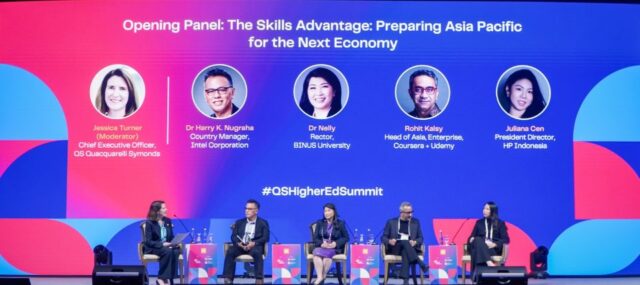
Bali, 5 November 2026 – Preparing graduates to drive economic development requires universities to anticipate changing workforce expectation and develop the skills and experiences students need throughout their careers. This priority was discussed at the QS Higher Ed Summit: Asia Pacific 2026 during the panel session “The Skills Advantage: Preparing Asia Pacific for the Next Economy,” moderated by Jessica Turner, Chief Executive Officer (CEO) of Quacquarelli Symonds (QS).
Taking on perspectives from both higher education and industry, Rector Nelly joined Juliana Cen, President Director of HP Indonesia and a BINUS alumna; Harry K. Nugraha, Country Manager of Intel Indonesia; and Rohit Kalsy, Head of Asia, Enterprise, Coursera + Udemy to discuss how graduates can be better prepared for the future workforce.
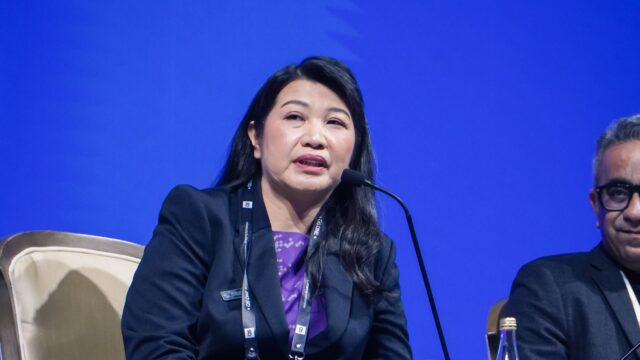
(Photo Credit: Mufti Al-Warits)
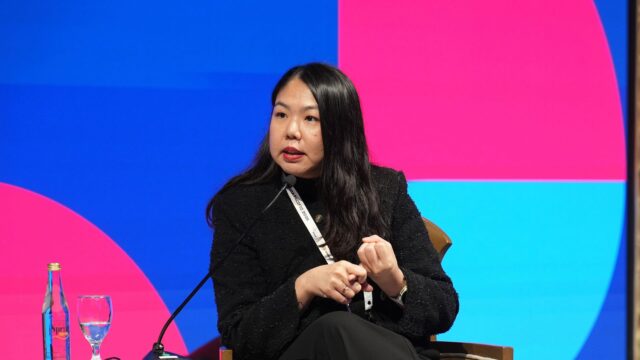
“Preparing students for the future is not just about technical skills or academic achievement. We need to develop graduates who can adapt to change, think critically, work with others, and continue learning throughout their careers,” said Rector Nelly for opening the discussion.
BINUS University has incorporated these capabilities into BINUS Graduate Attributes (BGA), a framework that combines technical competencies with adaptability, leadership, critical thinking, collaboration, and digital literacy. The framework is grounded in the university’s core values of striving for excellence, perseverance, respect, innovation, integrity, and teamwork.
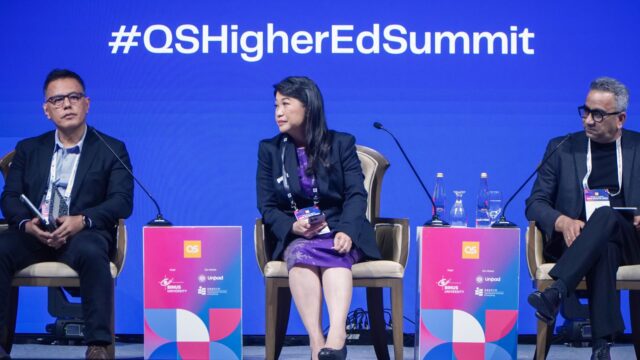
(Photo Credit: Mufti Al-Warits)
Rector Nelly further underscored the value of perseverance by noting that students must learn how to navigate setbacks and failures rather than avoid them. Alongside academic learning, these experiences will help them to shape resilience, confidence, and adaptability. Such experiences help ensure that graduates are better prepared to adapt to changing career demands.
The growing influence of artificial intelligence (AI) has also brought new urgency to developing these capabilities. While the technology can accelerate productivity and create new opportunities, Rector Nelly stressed that human judgment and critical thinking are essential in determining how it should be applied to solve real problems.
(Photo Editor: Mufti Al-Warits)
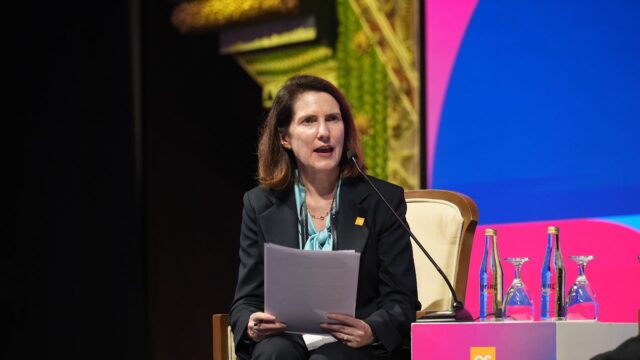
Offering an industry perspective, Juliana shared her observations on how AI is reshaping the way younger professionals work. Based on her experience working with them, she described how AI has enabled them to undertake increasingly complex assignments, from conducting detailed research to developing applications, often with greater speed and efficiency than previously possible.
“The ability to keep learning is essential regardless of career stage. New graduates may be more familiar with emerging technologies, but experienced professionals also need to continuously develop new technical, interpersonal, and business capabilities to keep pace with change,” Juliana explained.
(Photo Editor: Mufti Al-Warits)
Her perspective as both an industry leader and BINUS alumna added a practical connection to Rector Nelly’s emphasis on adaptability and the importance of equipping students with skills that can be applied across different roles and career stages.
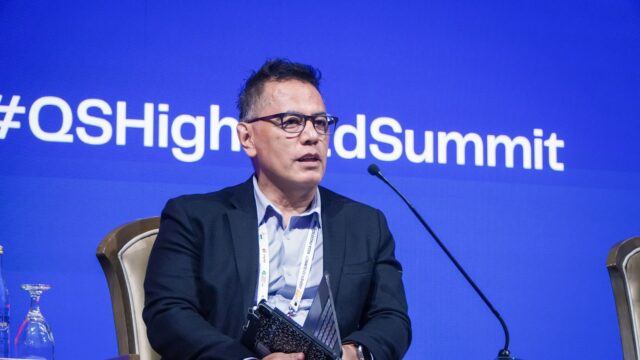
Meanwhile, Harry reflected on what he has observed throughout his career in the technology industry. He noted that technical qualifications are often only the starting point. Rather than focusing solely on technical specifications or emerging features, professionals need to identify practical needs and determine how technology can deliver useful solutions.
(Photo Editor: Mufti Al-Warits)
Preparing students for these expectations requires opportunities to apply what they learn outside the classroom. Through its 2+1+1 learning model, BINUS provides an Enrichment Program that allows students to gain practical experience through seven available tracks: internships, study abroad, entrepreneurship, research, community development, specific independent study, and further study. Students may choose one or combine two tracks based on their interests and career goals. For those pursuing the internship track, they can spend up to a year working directly with industry partners, gaining valuable professional experience before graduation.
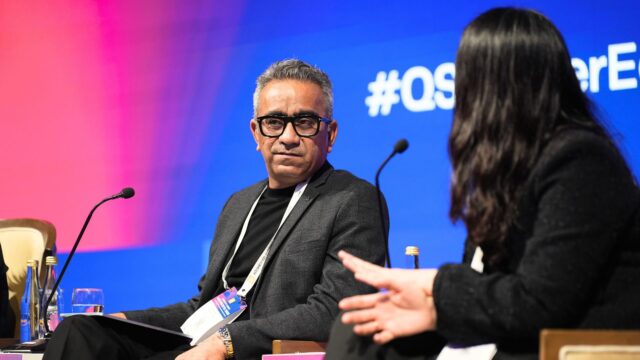
While such experiences help students build workplace-ready skills, learning does not stop at graduation. Rohit encouraged universities to expand access to flexible learning opportunities and industry-aligned micro-credentials. As more professionals use digital platforms such as Coursera and Udemy to upskill, universities also have an opportunity to make learning more flexible and accessible for graduates balancing work and career development.
(Photo Editor: Mufti Al-Warits)
As industries evolve through technological advancement, the development of skilled and adaptable talent is critical to sustaining economic growth. Preparing graduates for the next economy therefore requires closer collaboration between higher education and industry. Through its Graduate Attributes, experiential learning initiatives, and industry engagement, BINUS University equips students with the capabilities needed to apply their knowledge in changing environments and contribute to sustainable development.
Author: Mita Adhisti | Editor: Yusuf Rifai

Comments :