



Kick Andy Goes to Campus Engages Binusians in Taking Small Steps to Make Bigger Environmental Impact
Tangerang, 26 February– Environmental awareness in Indonesia has been widely promoted for years. However, the results remain less than optimal. Awareness alone has not been enough to address the challenges, as many environmental issues persist due to limited collective action. Building on its continued commitment to this issue, BINUS University once again welcomed Andy F. Noya through Kick Andy Goes to Campus at Alam Sutera.
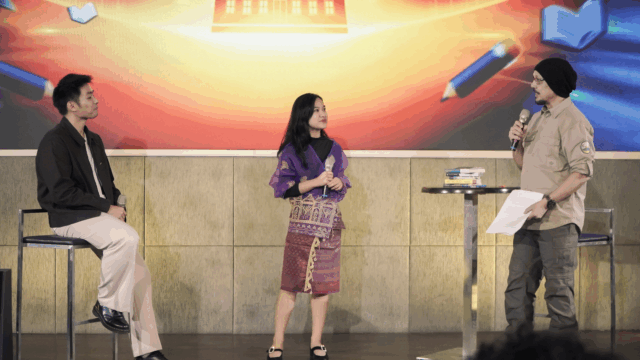
(Photo Credit: Mufti Al-Warits/Photo Editor: Andi D. Ahnafandra)
Following previous engagements since 2024, this return visit created another insightful platform for students and young activists to reflect on how small steps can lead to real impact. This year’s agenda focused on encouraging students and the broader academic community to take part in sustained efforts through simple, purposeful actions that contribute to society, particularly in improving the environment around them.
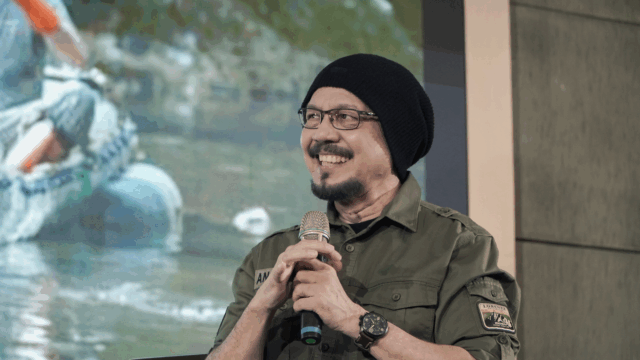
(Photo Credit: Mufti Al-Warits/Photo Editor: Andi D. Ahnafandra)
“I hope BINUS keeps opening its doors and encourages students to listen and learn from anyone who comes to share their journeys. Through initiatives like this, students can begin to realize that change does not always start with something big. It can start with small and consistent actions that bring real benefits to society and the environment around them. Hopefully, this becomes something that continues every year,” shared Andy during his interview with our Corporate Marketing Communication team.
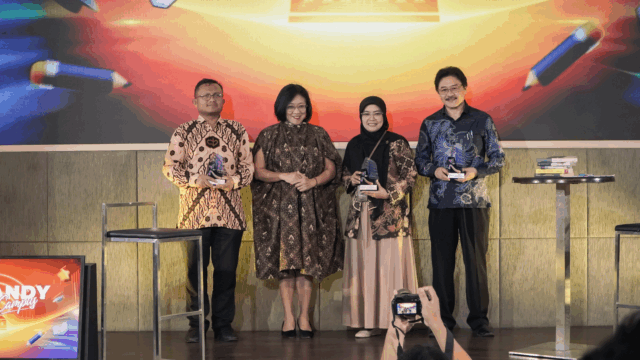
(Photo Credit: Mufti Al-Warits/Photo Editor: Andi D. Ahnafandra)
Environmental awareness should not remain a trend or a temporary movement. It should become a lasting mindset that shapes how we live, starting from ourselves at an early stage. Delivering this message in her opening remarks, Sari Ramadhanti, Head of the Communication Science Department, welcomed students and alumni together with young activists Jerhemy Owen and Gary Bencheghib, as well as Cicilia Nina from the Indonesian Life Insurance Association, setting the tone for the discussion that followed.
Caring for the planet is not merely a slogan, but a moral call for young people as agents of change, echoing the earlier message that environmental awareness should not stop as a temporary movement as the conversation continued with a stronger emphasis on responsibility. For Jerhemy Owen, caring for the planet is a moral calling for young people to take part in real change.
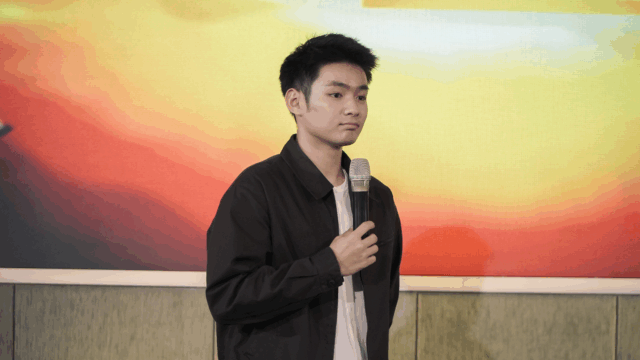
(Photo Credit: Mufti Al-Warits/Photo Editor: Andi D. Ahnafandra)
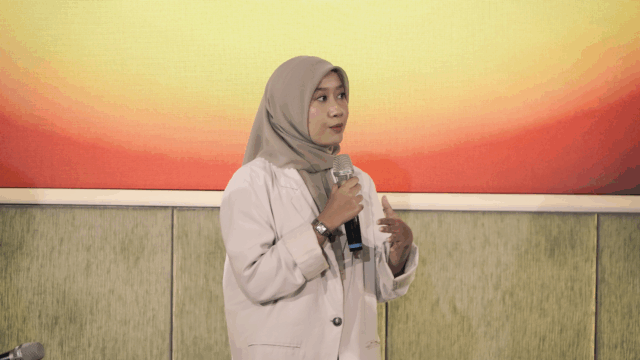
“Indonesia is actually incredibly beautiful and rich. If we compare it, our nature can be even better than what we see abroad. But the challenge is, we have not managed it as well, so we are not as recognized. Through Wenanam, we planted 10,000 trees in 2025 in the upstream area of the Ciliwung River in Bogor. The goal is simple, to help reduce flooding in Jakarta. But more than that, we want to build something that continues. It is about keeping the movement going. Because change is never instant. It begins with small, consistent actions,” added Jerhemy.
(Photo Credit: Mufti Al-Warits/Photo Editor: Andi D. Ahnafandra)
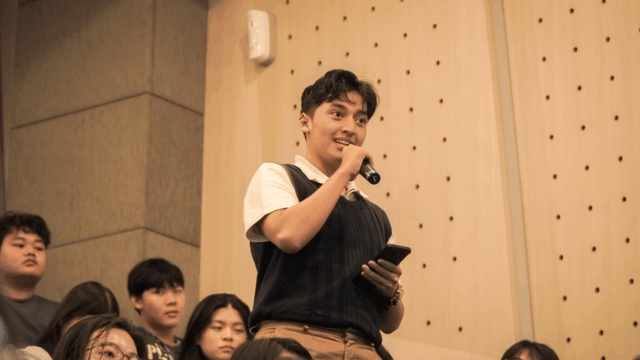
Listening to the stories shared by these young activists inspired students to become more open in expressing their own concerns about social and environmental issues. Aya, a Visual Communication Design student, is one of them. She chose to take part by joining ‘Bagi Dunia’ community. For her, being involved in the community is not just about delivering education, but also about nurturing awareness and care for smaller communities, such as children in scavenger villages.
(Photo Credit: Mufti Al-Warits/Photo Editor: Andi D. Ahnafandra)
What Aya and her peers are doing may seem simple, reaching out to children in scavenger communities, but the impact runs deep. These children grow up surrounded by the realities of waste, seeing how unmanaged trash can accumulate and pose risks to human health and the environment. At the same time, they also come to understand that when waste is sorted and managed properly, it can be transformed into something valuable, even contributing to the economic well-being of their communities.
(Photo Credit: Mufti Al-Warits/Photo Editor: Andi D. Ahnafandra)
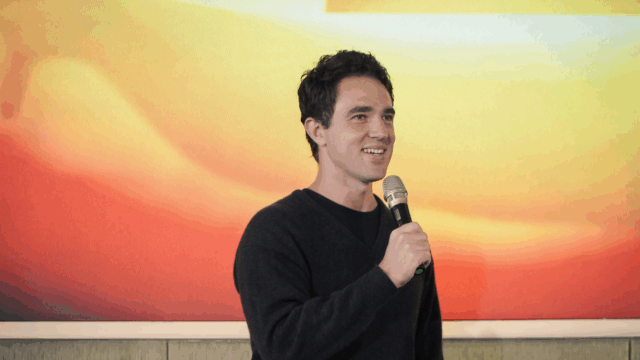
Environmental challenges are not limited to waste management. Gary Bencheghib shared a recent experience addressing contamination by Escherichia coli (E. coli) in a river in Sidoarjo, East Java. During the ten-day river clean-up effort, he and his team faced physical challenges, including skin irritation. Yet, driven by their commitment, they continued the work with determination, hoping their collective effort could help reduce public concern and restore the river’s condition.
(Photo Credit: Mufti Al-Warits/Photo Editor: Andi D. Ahnafandra)
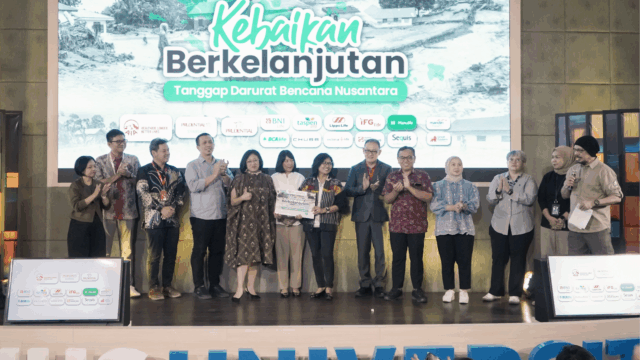
Looking at the complexity of these issues, it is evident that environmental challenges cannot be addressed by individuals alone. A broader, collective effort is needed, including the active role of industries in driving sustainable practices. This sense of shared responsibility was strongly felt throughout Kick Andy Goes to Campus. As Binusians engaged with speakers such as Andy F. Noya, Jerhemy Owen, Gary Bencheghib, and Cicilia Nina, the discussion moved beyond ideas into something more personal by sharing, reflecting, and encouraging action. From here, a simple idea begins to take shape that real change begins with small steps but grows through collective action.
Author: Mita Adhisti & Andi D. Ahnafandra
Editor: Aninda Rahmasari

Comments :