


BINUS Universty Bridges Indonesia’s Growing Influence as a New Hub for Research, Talent Development, and International Collaboration in Asia Pacific
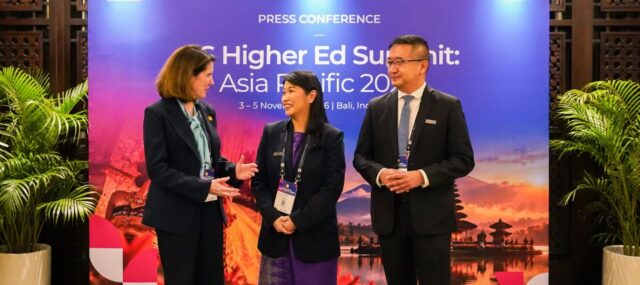
Bali, 5 November 2026 – Indonesia’s growing presence in Asia-Pacific higher education landscape is creating more opportunities for talent development, research, and international collaboration. As host of the QS Higher Ed Summit: Asia Pacific 2026, BINUS University (BINUS) is placing Indonesia at the center of regional discussion on the future of higher education and bringing its higher education community closer to regional leaders from academia, government, and industry.
The country’s potential was also highlighted by Jessica Turner, Chief Executive Officer (CEO) of Quacquarelli Symonds (QS). With a population of approximately 290 million people, including around 10 million pursuing higher education, Turner noted that Indonesia has significant potential to develop future talent, drive economic growth, and contribute to solutions addressing global challenges.
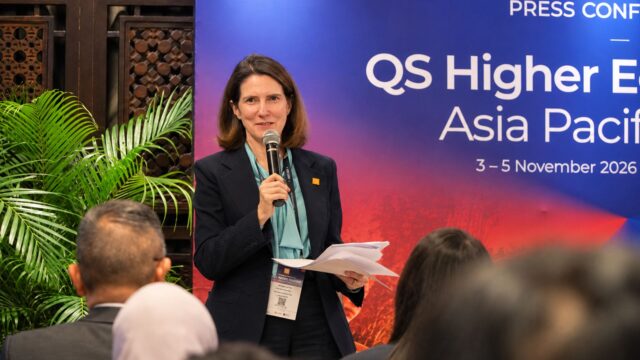
(Photo Credit: Mufti Al-Warits)
She also acknowledged BINUS University’s growing recognition in the region and its established international partnerships that attracted strong interest from regional universities seeking to connect with Indonesian institutions, exchange knowledge, and explore opportunities for collaboration.
The emphasis on regional collaboration is closely tied to the university’s 45-year journey in education by empowering and fostering the society. Stephen Wahyudi Santo, President of BINUS Higher Education & Professional Services, said the university remains focused on improving educational quality while keeping pace with the changing needs of industry and society.
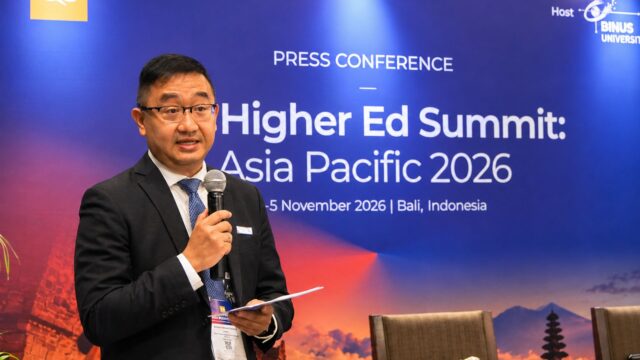
(Photo Credit: Mufti Al-Warits)
“Hosting this summit allows us to bring Indonesian higher education institutions into the same room as leaders from academia, government, and industry across the region. It creates valuable opportunities to build international partnerships and work collectively toward a Human-Centered Intelligent Society for Rapid Technological Advancement,” he said.
This human-centered approach comes at a crucial time as artificial intelligence (AI) continues to transform education, employment, and career pathways. With universities facing new expectations to demonstrate their value in an era of rapid technological advancement and uncertainty around future workforce needs, Turner called on higher education leaders at the summit to rethink the role of universities in preparing young people for the future, driving economic growth, and responding to societal challenges.
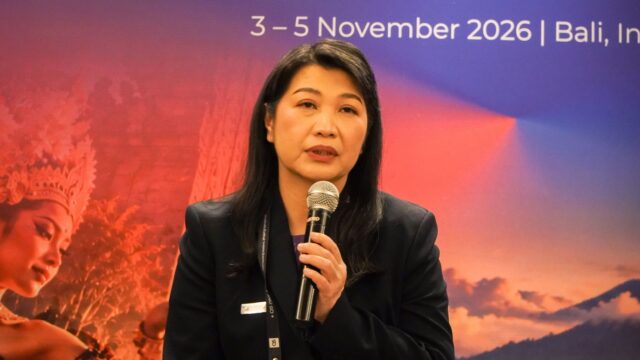
(Photo Credit: Mufti Al-Warits)
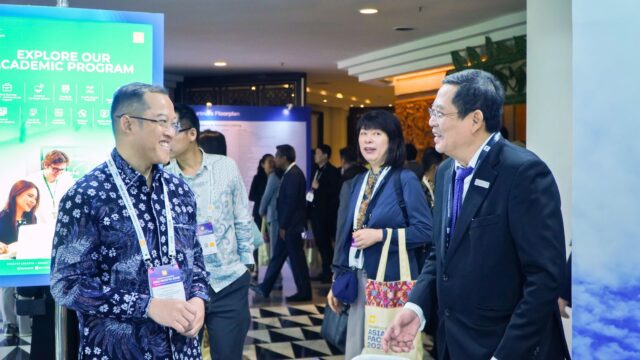
Rector of BINUS University, Dr. Nelly, then explained on how BINUS has introduced fundamental AI certification for all students, regardless of their field of study. The initiative aims to equip students with an understanding of AI and how it can support productivity in their respective professions, rather than limiting these capabilities to those pursuing technology-related degrees.
“We have developed multidisciplinary learning pathways to prepare students for increasingly interconnected professional fields. Through its major and minor programs, students can combine knowledge from different disciplines. For instance, a Computer Science student may choose a minor in Digital Banking or Culinary, allowing them to explore how their technical expertise can be applied across industries,” she added.
(Photo Credit: Mufti Al-Warits)
Keeping education relevant also requires a close understanding of what industries need. In collaboration with more than 2,200 industry partners becomes a strength for the university to stay informed about changing workforce demands and emerging professional competencies. These connections allow BINUS to continually review how its learning programmes can better prepare students for the challenges they will encounter after graduation.
The importance of expanding collaborative research across sectors with industry, government, non-governmental organizations, and professional associations was also underscored by Rector Nelly. Cross-sector collaboration plays a critical role in identifying emerging challenges and supporting more comprehensive approaches to managing technological disruption while keeping people at the center of progress.

(Photo Credit: Mufti Al-Warits)
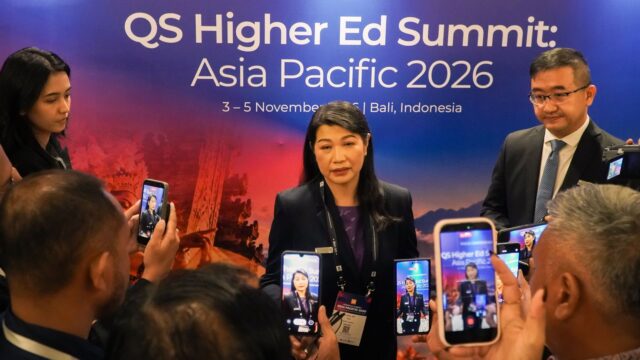
“One of the greatest benefits of hosting the summit is the opportunity for universities to learn directly from one another and explore potential partnerships in a single international forum. Such exchanges can help accelerate institutional learning while opening new possibilities for academic and research collaboration involving more Indonesian universities,” she noted during a doorstop interview.
(Photo Credit: Mufti Al-Warits)
By connecting global partnerships with industry-relevant education, multidisciplinary learning, and research that addresses societal needs, BINUS University has been ranked among the top 200 universities in the QS World University Rankings: Asia for two consecutive years. The recognition also illustrates how Indonesian universities are gaining greater visibility on the regional and global stage, supported by stronger academic reputation, expanding research activity, and deeper international collaboration.
Author: Mita Adhisti | Editor: Yusuf Rifai

Comments :