

Best Practices from BINUS University in Leveraging Networks for Applied Learning at AppliedEdu Xchange 2026
Kuala Lumpur, 22 October 2026 – Higher education institutions can no longer focus on academics alone. They also need to prepare graduates with skills that align with industry needs and the ability to adapt as technology changes the way people work. This was one of the key topics discussed during AppliedEdu Xchange 2026 at Sunway University, where Vice-Rector Rini Setiowati, who leads BINUS University’s Collaboration and Global Engagement (CGE) unit, joined as a panelist in the session Beyond Academic Knowledge: Why Applied Learning, Skills, and Adaptability Matter More Than Ever.
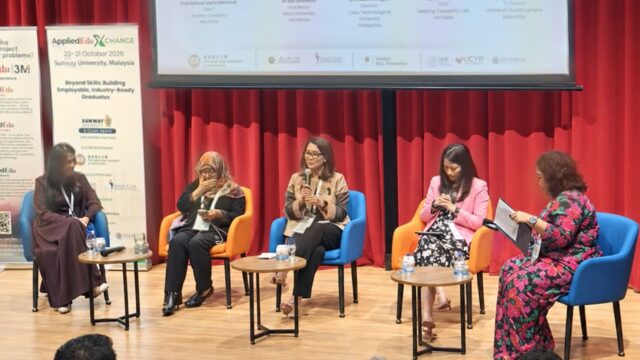
(Photo Editor: Mufti Al-Warits)
The topic is highly relevant for Southeast Asia, where its workforce has grown to nearly 80 million face growing risks arising from technological disruption and preparedness gaps (ILO, 2026). In discussing how universities can respond, Vice-Rector Rini emphasized that BINUS has long focused on preparing students for global competitiveness. Leveraging our extensive partnership network, we implemented a mandatory 3+1 Enrichment Program, which combines three years of academic study with one year of enrichment experience.
“Among the seven available enrichment tracks, students who choose the internship track are required to spend a full academic year at our partner institutions. With support from our Global Employability and Entrepreneurship (GEE) and dedicated Internship Center, these partnerships are structured around co-designed project deliverables such as ESG risk modeling, digital transformation, and community development projects,” she added.
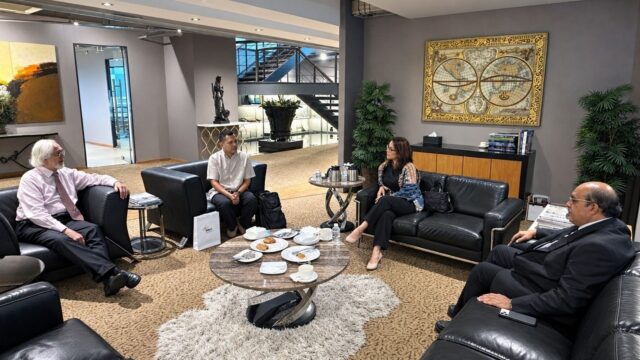
(Photo Editor: Mufti Al-Warits)
We also incorporate industry involvement into our Global Learning System (GLS), which engages more than 200 practitioners each semester to co-deliver learning experiences alongside our faculty members. Delivered through BINUSMAYA, our digital learning platform, this learning approach enables students to learn from both academics and industry practitioners in a more accessible and flexible way.
Implementing these initiatives also comes with its own challenges. One of the most common is aligning academic and industry timelines, as the two do not always move at the same pace. For example, companies may need students to start a project immediately or adjust its scope midway, while universities still need to follow semester timelines and assessment requirements.
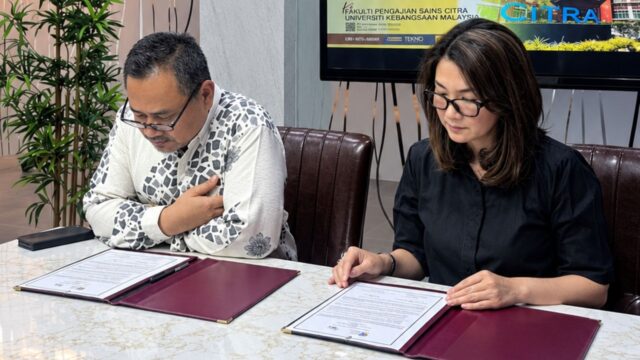
(Photo Editor: Mufti Al-Warits)
For universities looking to strengthen applied learning, Vice-Rector Rini also suggested a practical starting point by involving industry professionals more directly in existing courses.
“You do not need to rewrite an entire university statute overnight to create immediate impact; you simply need to open your current classrooms to industry practitioners in a structured, mandatory way,” she said.
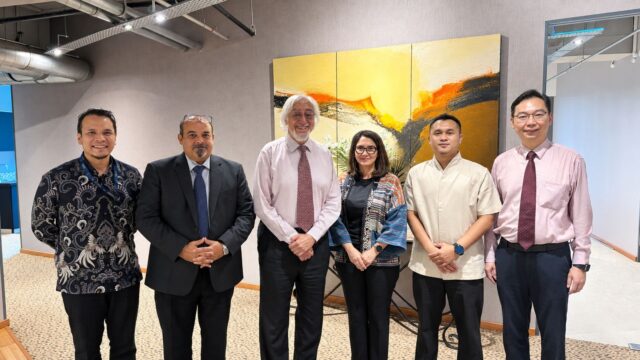
(Photo Editor: Mufti Al-Warits)
Making applied learning a standard part of the student experience requires institutional commitment, including investments in partnerships, support for faculty engagement with industry, and better integration of industry-relevant skills into the curriculum. Such efforts also rely on strong institutional networks that can facilitate collaboration with industry and other external stakeholders.
After the panel session, Vice-Rector Rini and her team had a great time connecting with university leaders and experts, especially from Universiti Kebangsaan Malaysia (UKM), Asia Pacific University (APU), and Multimedia University (MMU). Their discussions focused on shared priorities and potential initiatives that could further strengthen the connection between higher education and industry needs.
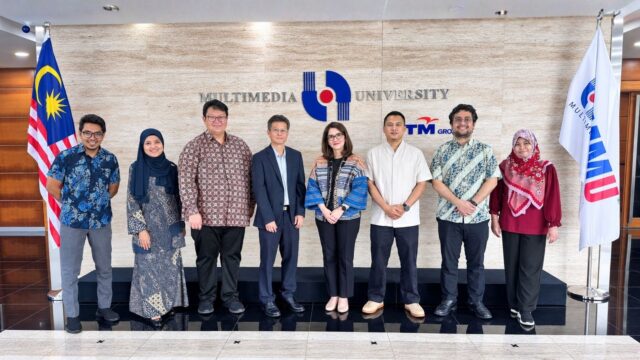
(Photo Editor: Mufti Al-Warits)
A Letter of Agreement with UKM was among the outcomes of these engagements. Other than that, we are excited to continue the conversations with APU, MMU, and other institutions, which have already opened up promising opportunities for future collaboration.
Author: Mita Adhisti | Editor: Yusuf Rifai
Comments :