

BINUS University Discusses Digital Independence Through FOSS, Standards, and Self Hosting
Tangerang, 14 October 2026 – As technology becomes increasingly integrated into business operations, questions about data ownership and control over digital infrastructure are becoming more relevant. Addressing this issue, BINUS University, through its Internationalization and Strategic Collaboration Unit, held the Business & Technology International Seminar Series titled “Whose Business Is It Anyway? Reclaiming Control of Your Core Infrastructure with FOSS, Standards, and Self Hosting” on 14 October 2026 at BINUS @Alam Sutera Main Campus.
The seminar featured Jean F. Quéralt, Founder and CEO of The IO Foundation (TIOF), who shared insights into how individuals and organizations can gain greater control over the technologies they use. The session was moderated by Erin, M.Kom., Lecturer Specialist in the Master of Information Systems Program at BINUS University.
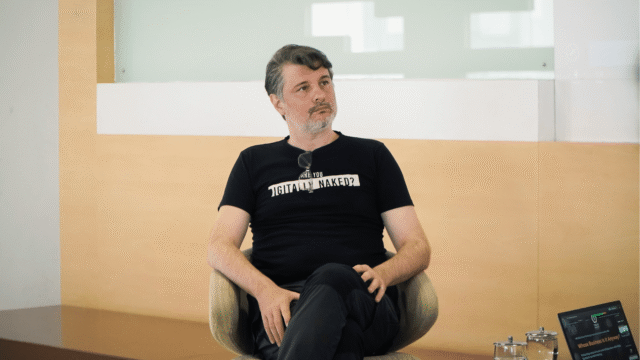
Photo Credit: Andi D. Ahnafandra | Photo Editor: Mufti Ardin
“Digital independence begins with understanding what we truly own and control. As businesses increasingly rely on external platforms for their data, systems, and AI, they need to consider not only the convenience these technologies offer, but also the long term implications for their autonomy. By embracing Free and Open Source Software (FOSS), open standards, and self hosting, organizations can take greater control of their digital infrastructure, protect their valuable knowledge, and build a more independent digital future,” Quéralt explained.
During the seminar, Quéralt invited participants to reflect on how much of the technology they use every day they actually own or control. From email and file storage to customer data, payment systems, and artificial intelligence (AI), many essential business functions rely on platforms managed by external providers. While these platforms offer convenience, they can also create long term dependence through recurring costs, limited control, and the challenges of moving to alternative services.
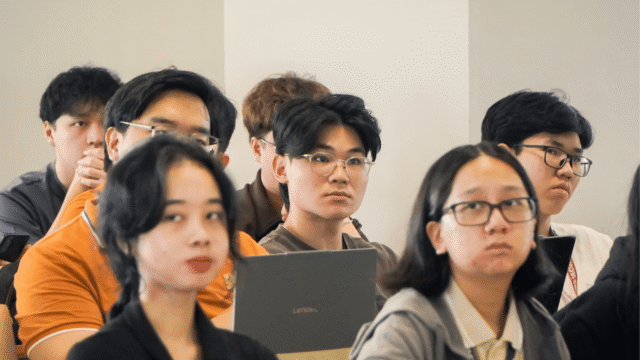
Photo Credit: Andi D. Ahnafandra | Photo Editor: Mufti Ardin
One approach discussed during the seminar was the use of FOSS, open formats, and open protocols. These technologies can provide greater flexibility and reduce dependence on a single provider. Technical standards developed by organizations such as the Internet Engineering Task Force (IETF), ICANN, and the International Telecommunication Union Telecommunication Standardization Sector (ITU-T) also help ensure that different digital systems can work together.
To illustrate the role of standards, Quéralt compared digital infrastructure to a building constructed from bricks of different sizes. “Just as buildings are made of bricks of different sizes to meet specific needs, digital infrastructure is built on standards that work together to create a strong and flexible foundation.”
The discussion also explored the importance of data ownership in the growing use of AI. Quéralt highlighted that organizational knowledge includes not only formal databases, but also standard operating procedures, key performance indicators, handbooks, and operational experience. When this information is shared with external AI platforms, organizations need to understand how their data is handled and what level of control they retain.
Quéralt also introduced The IO Foundation’s work on Data Centric Digital Rights (DCDR), which places data protection and user control at the center of technology design. Through initiatives such as Argos Clubs and Protocol Watch, The IO Foundation supports practical learning about digital infrastructure and monitors technical standards that influence how digital systems operate.
The seminar further highlighted opportunities for future technology professionals to participate in international standards development through initiatives such as the TechUp Fellowships. By engaging with organizations including IETF, ICANN, ITU-T, and the World Wide Web Consortium (W3C), students can contribute to shaping the technologies and standards that influence the digital environment.
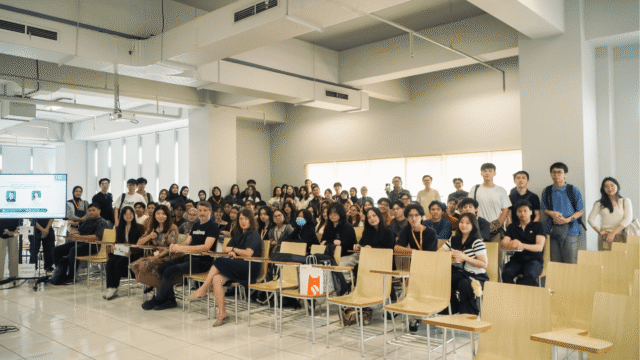
Photo Credit: Andi D. Ahnafandra | Photo Editor: Mufti Ardin
Through the Business & Technology International Seminar Series, BINUS University continues to provide students with opportunities to explore contemporary challenges at the intersection of business and technology. The session encouraged participants to look beyond the functionality of digital tools and consider how informed technology choices can support greater ownership, flexibility, and independence in an increasingly connected world.
Author: Yusuf Rifai | Editor: Aninda Rahmasari
Comments :